

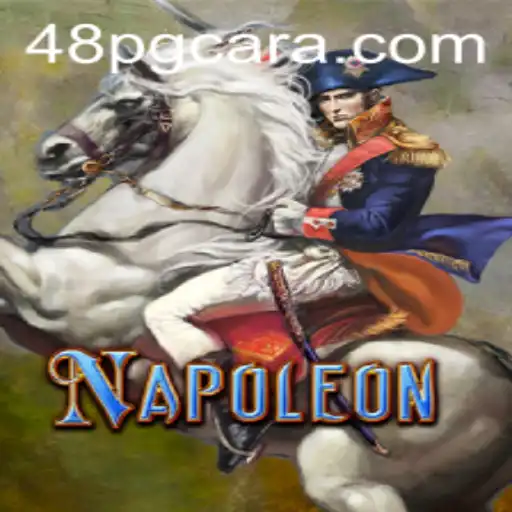
Napoleon: A Strategic Card Game for the Ages
The game of Napoleon, often synonymous with strategic prowess and cunning decision-making, has captivated players for generations. Known for its intricate gameplay and reliance on tactical foresight, Napoleon stands out among traditional card games. With its roots deeply embedded in history, the modern version often referred to as 'Napoleon 48PG,' continues to evolve, reflecting current trends while preserving its classic charm.
Origins and Evolution
Dating back to the 19th century, Napoleon was initially popular among British officers and civilians alike. The game's name is a nod to the legendary French military leader, Napoleon Bonaparte, renowned for his strategic ingenuity. Over the years, the game has undergone numerous adaptations, culminating in the contemporary version known as 'Napoleon 48PG.'
In today's world, the game has gained a significant following, merging traditional card gameplay with modern dynamics. The integration of elements indicative of the current societal climate, such as sustainability themes and educational components, ensures that Napoleon remains relevant in an ever-evolving gaming landscape.
Game Mechanics and Introduction
Napoleon 48PG is played with a standard deck of 52 cards, excluding two jokers. The primary objective is for players to amass points by strategically bidding and successfully completing contracts or 'tricks.' Typically designed for five players, the game's dynamics are subject to variation, accommodating between three to seven participants.
As the game begins, players place their bids, motivated by the number of tricks they anticipate winning during a round. A successful bid allows the player, known as the 'Napoleon,' to choose a partner secretly. This element of secrecy and alliance forms a crucial part of the game’s strategic gameplay.kissbet
Role of the Napoleon
The player assuming the Napoleon role holds a position of prominence, tasked with leading their team to victory. This involves astute judgment and collaboration with the chosen partner. The remaining players, referred to as 'defenders,' are responsible for thwarting Napoleon's objectives, aiming to secure their own positions of strength.YGYG.com
The thematic approach of Napoleon reflects a broader understanding of alliances and strategy, echoing the intricate political maneuvering experienced in global affairs today. As players engage in the game, they emulate real-world strategic decision-making, a testament to the game's timeless appeal.
Current Events Influence
In recent years, a resurgence in the popularity of traditional games has been observed, driven by factors such as the COVID-19 pandemic, which amplified interest in home-based entertainment. Napoleon 48PG has been no exception, witnessing a renaissance as individuals seek engaging indoor activities that foster critical thinking and social interaction.
Moreover, the digital era has seen the emergence of online adaptations, allowing enthusiasts around the globe to immerse in this strategic card game without physical constraints. Online platforms facilitate international competitions and tournaments, amplifying its status within the global gaming community.
Reflecting Modern Themes
Contemporary iterations of Napoleon, including the 48PG variant, integrate themes aligned with modern-day concerns. Educational variants promote financial literacy and environmental consciousness, mirroring global efforts to prioritize these increasingly vital areas. Players, especially younger audiences, benefit from the game's ability to subtly weave learning with entertainment, a feature that sets Napoleon apart from other card games.
Rules and Gameplay
The rules of Napoleon 48PG are both straightforward yet intricate, catering to beginners and seasoned players alike. A successful gameplay session involves several phases, each demanding careful thought and strategic planning.
Distribution and Setup
Before the game begins, the dealer is determined. Each player receives a hand consisting of a predetermined number of cards, with the deck reshuffled prior to each new round. Initial hands typically include eight to ten cards, ensuring an equitable starting point for all participants.11TT
Bidding is a critical phase. Players put forward their bids based on the number of tricks they believe they can win. The highest bidder claims the title of Napoleon, and the secret partner selection ensues, setting the stage for the ensuing battle of wits.kissbet
The Trick Phase
Gameplay unfolds in a series of tricks. Each participant plays a card, adherent to the suit led, barring the absence of applicable cards. The player contributing the highest-ranking card of the led suit claims victory for that trick. Strategy and attention to detail play pivotal roles, impacting the game's outcome.WIN XX
The culmination of the game is determined by the fulfillment of the bidding requirements. Should Napoleon and their partner fulfill their pledged tricks, they seize victory. Conversely, failure results in the defenders claiming the win, thus concluding a round of Napoleon 48PG.
Conclusion
Napoleon 48PG embodies a timeless convergence of historical strategy and modern-day application. As the game evolves, embracing contemporary themes and digital adaptations, it continues to engage and educate players around the world. This classic card game, reflective of both strategic depth and adaptability, remains a beloved pastime for enthusiasts from all walks of life.
Explore the game of Napoleon, uncover its origins, and master its rules. Learn how current events shape this classic strategy card game.